
Cheri and Debbi’s Fractured Love
I'll Be Gone in the DarkThis thread follows the fierce, loving, and unresolved bond between Cheri Domingo and Debbi Domingo, from adolescent clashes and separation to the lasting grief surrounding Cheri’s murder.
increasing Bearing strength in each event
 decreasing
Bearing strength in each eventdecreasingFriends as Mother and Daughter
A Close but Uneven Bond
The Easy Years
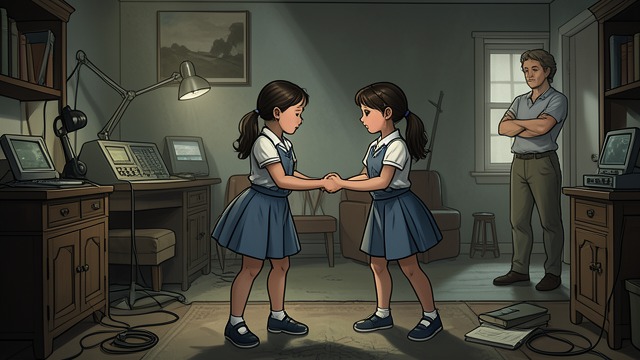
Cheri Domingo had Debbi when she was young, and in happier periods strangers sometimes mistook the two for sisters. They tried on clothes together, ate at their favorite restaurant, and shared a closeness that felt like friendship as well as kinship.
Debbi remembers much of her early childhood in a warm light: homemade cookies, outings, and physically active parents who joined their children rather than watching from the sidelines. That recollection makes the later conflict more painful; the relationship had once offered both affection and ease.
A Long Leash
Cheri was patient and optimistic, often treating Debbi’s rule-breaking as a phase that would pass. Her friend Ellen believed that Cheri had been too permissive and urged firmer discipline, while Cheri struggled with the prospect of turning a close relationship into a contest of authority.
The difference between mother and daughter grew as Debbi began using the split between her parents to test limits. Cheri’s repeated reminder, “But I’m the mom,” carried both care and uncertainty: she wanted to guide her daughter without losing the friendship that had once come so naturally.
Separation and Rebellion
A Family Divided Between Homes
Moving Between Parents
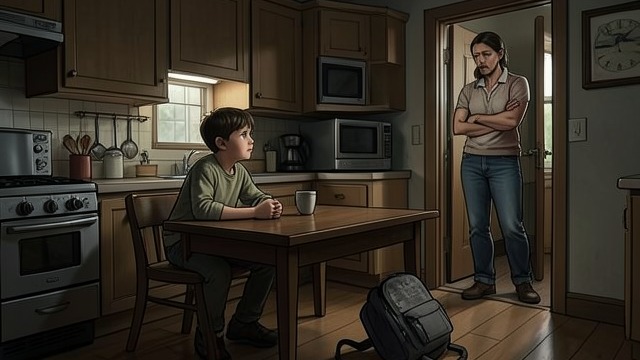
After Cheri and Roger Domingo separated, Debbi and her brother split time between two cities. Debbi recognized that she could threaten to leave for the other parent’s home whenever she encountered resistance, and she changed schools repeatedly as the family arrangement shifted.
For several years, her life had a provisional quality. She tested household rules and carried the possibility of moving between parents as leverage, while her relationship with Cheri became increasingly organized around arguments over freedom and responsibility.
Stress on Both Sides
By 1981, Debbi’s grades had fallen, and she was attached to an older boyfriend whom both parents considered a bad influence. Cheri’s own life was unsettled: she had lost her job, was looking for work, and was preparing to move into a relative’s house.
The conflict did not mean that affection had disappeared. It meant that mother and daughter were trying to hold on to one another through a period when neither seemed able to agree on what care should look like. Cheri’s patience and Debbi’s resistance repeatedly turned concern into confrontation.
The Swimsuit Call

A Phone Call That Reopens the Fight
The Immediate Demand
After a heated counseling meeting at Klein Bottle Crisis Shelter, Debbi left with her belongings. Four days later, she called Cheri from a public phone, focused not on reconciliation but on retrieving the swimsuit she had left at home.
Cheri said no. Debbi insisted that the swimsuit was hers; Cheri answered that the house was hers. The exchange became a concentrated version of their larger conflict, with each demanding recognition of a different kind of authority and independence.
Words That Could Not Be Withdrawn
As people slowed to listen, Debbi shouted, “Why don’t you just get the hell out of my life!” and slammed down the phone. The last conversation she remembered having with her mother ended in anger rather than affection.
The words would become inseparable from what followed, though neither mother nor daughter could know that at the time. Their argument matters not because it defines their whole relationship, but because a routine fight over rules and belongings became the final exchange Debbi could replay after the loss.
The Urgent Message

Debbi Is Called Home
A Message from Ellen
The day after the argument, Debbi received a message that Ellen had called the Granada Theater looking for her and wanted her to call back immediately. Debbi expected another lecture about how she was treating her mother and initially resisted the instruction to come home.
Ellen said that Debbi needed to return. Though the two later remembered the precise conversation differently, both agreed that Debbi quickly understood the urgency and went to the house on Toltec Way.
A Home Behind the Tape
Yellow crime-scene tape had cordoned off the quiet street and the house where Cheri lived. Debbi saw her mother’s car in the driveway and another familiar car, then asked where Gregory Sanchez was. Around her, people repeated, “Greg who?” as the reality of the scene began to take shape.
The shock arrived in fragments. Debbi had left Cheri after a bitter argument and was now being brought back by an urgent message to a scene of death. The bond between them could no longer be repaired in person, leaving Debbi with the last words and the ordinary disagreement that had preceded the loss.
Grief Across the Years

The Long Aftermath
A Family Recedes
After Cheri’s murder, Debbi moved to San Diego almost immediately. Her mother’s side of the family gradually receded from her life, and an overheard remark from her grandmother—that she was glad it had not been another relative who died—haunted her.
Debbi later tried to renew contact with her grandmother and aunt, but they did not respond. The loss therefore widened beyond Cheri herself: Debbi was left without the mother she had fought with and increasingly disconnected from the family that might have helped preserve her memory.
Learning the Larger Story
Years later, cable true-crime programs introduced Debbi to the fact that her mother’s killer might have claimed other victims. By then she was working as a prison guard in Texas and had been clean from methamphetamine addiction for seven years after nearly a decade of addiction.
Learning more about the crime did not restore the relationship or settle the grief. It changed the frame around Cheri’s death, revealing that it belonged to a larger series while leaving Debbi’s personal loss intact. The argument over the swimsuit remained a painful last exchange, but it could not contain the whole history of their love.
Before the 1981 crisis
After Cheri and Roger Domingo separated in December 1976
Four days after Debbi left the Klein Bottle Crisis Shelter meeting
The day after the swimsuit argument, July 1981
After Cheri’s murder and into the early 2000s
